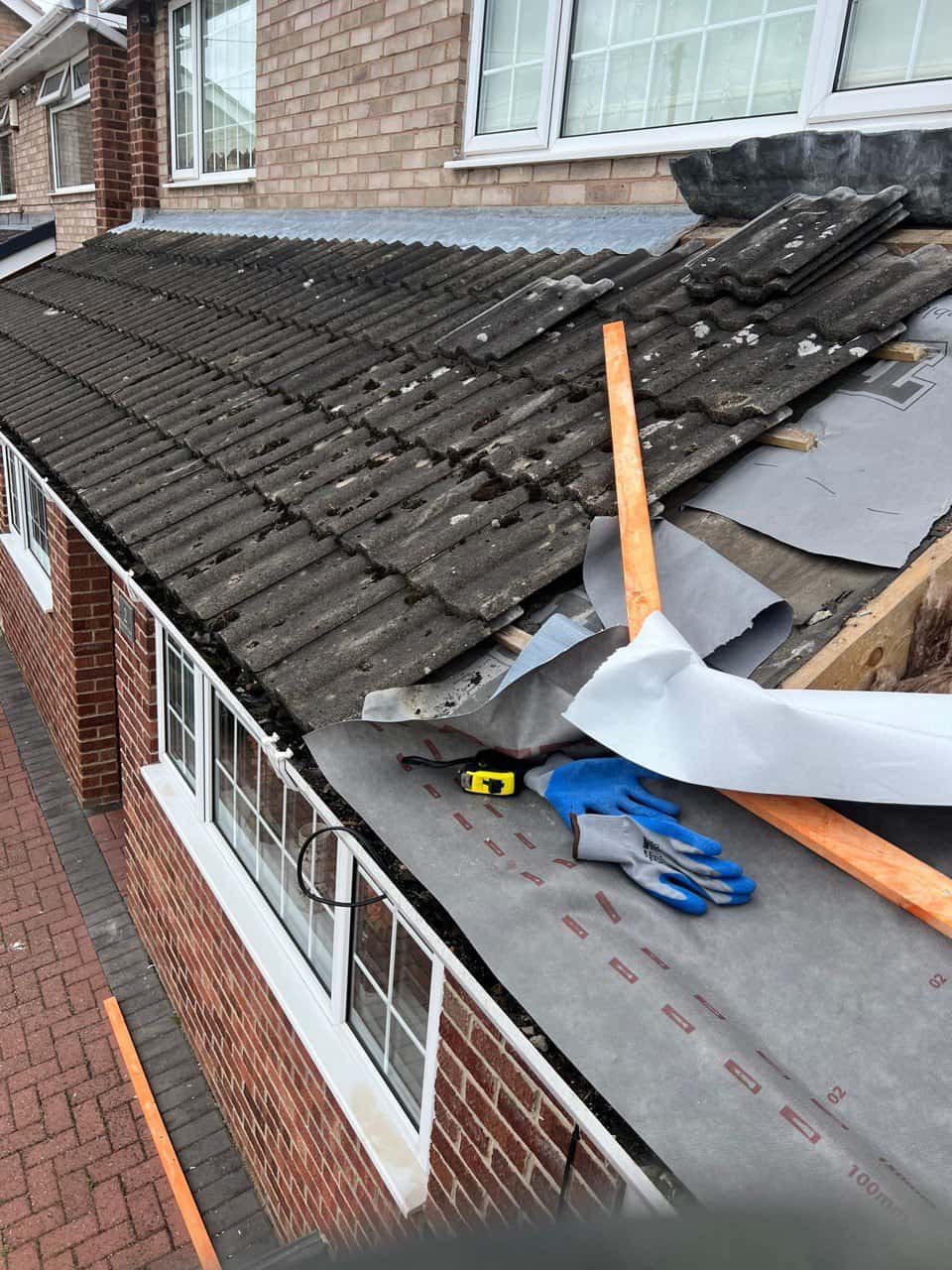
When a roof develops a leak, loose tile or another visible defect, the most obvious problem is not always the actual cause. Water can travel beneath roof coverings, damaged materials can affect neighbouring components, and seemingly similar roofing problems can require very different repairs. This is why accurate assessment is such an important first step.
For homeowners in Whiteley, Hampshire, a professional roof assessment provides a clearer understanding of what has gone wrong and what needs to be done to correct it. Rather than relying on a temporary patch or treating only the visible symptom, an experienced roofer can examine the affected area, identify the underlying cause and determine the most appropriate type and extent of repair.
Why Accurate Roof Assessment Matters Before Repairs Begin
The effectiveness of any roof repair depends heavily on the accuracy of the initial diagnosis. If the cause of the problem is misunderstood, work may be carried out on an area that is not responsible for the defect.
A professional assessment considers both the visible damage and the surrounding roofing system. This helps determine whether the problem is confined to one component, involves several connected elements or forms part of wider deterioration.
The aim is to carry out a repair that addresses the cause and restores reliable performance rather than simply making the symptom less noticeable.
The Visible Problem May Not Be the Source
Roof leaks demonstrate particularly well why diagnosis matters.
A damp patch on a ceiling may appear directly beneath the damaged area, but this is not always the case. Once rainwater gets beneath the roof covering, it can follow underlay, structural components or other surfaces before reaching the interior of the property.
This means the point where water becomes visible indoors can be some distance from the point where it entered.
A professional assessment looks for evidence of the route water has taken and examines likely entry points. This makes it possible to focus repairs on the actual defect rather than guessing from the location of the internal damp.
Identifying Whether Damage Is Isolated or Widespread
One damaged tile does not necessarily indicate a problem with the rest of the roof. Equally, one visible defect can sometimes be the first obvious sign of deterioration affecting a larger area.
Assessing neighbouring tiles, fixings and relevant roof details helps establish the extent of the problem.
If the surrounding materials remain secure and serviceable, a targeted repair may be entirely appropriate. If similar deterioration is found nearby, the repair may need to cover a broader section to provide a dependable result.
This distinction helps ensure that sound roofing is left undisturbed while affected areas receive the attention they require.
Different Roofing Defects Require Different Repairs
Not every roof leak can be solved by replacing a tile.
Water ingress may result from damaged or displaced roof coverings, deteriorated flashing, defective leadwork, weaknesses around a chimney, problems within a valley or deterioration at another roof junction.
Each cause requires a different approach.
For example, replacing otherwise sound tiles would achieve little if the actual source of water ingress were deteriorated leadwork nearby. Likewise, repairing flashing would not solve a problem caused by damaged tiles further up the roof.
Correct identification of the defective component is therefore essential to selecting the right repair.
Assessing Slipped, Cracked or Missing Tiles
Tile defects are among the more noticeable roofing problems, but even these benefit from closer inspection.
A slipped tile may have moved because of a failed fixing rather than because the tile itself is damaged. A cracked tile may be an isolated problem, or similar deterioration may be present across neighbouring sections.
The assessment should therefore consider why the tile has failed and whether the materials around it remain secure.
Where the defect is genuinely localised, replacing or correctly repositioning the affected roofing can provide a focused solution. Where several components have deteriorated, additional work may be necessary to prevent the same problem occurring nearby.
Examining Leadwork and Roof Junctions
Some of the most important areas of a roof are where different materials or surfaces meet.
Leadwork and flashing help prevent water entering around chimneys, walls and other junctions. Valleys must manage concentrated rainwater effectively, while other changes in roof shape also require dependable weatherproofing.
Deterioration in these areas can produce leaks even when the main roof covering appears to be in good condition.
A professional assessment examines these details carefully because repairing the correct junction can often resolve a problem without unnecessary disturbance to the wider roof.
Previous Roof Repairs Provide Useful Information
Earlier repair work can help explain a current roofing problem.
If a leak has returned in an area that has previously received attention, the assessment should consider whether the original defect has reappeared, whether surrounding materials have deteriorated or whether the true source of the problem lies elsewhere.
Previous repairs that remain sound can also help narrow down the investigation.
The important point is not to assume that a previously repaired area is automatically responsible for a new problem. It should be assessed alongside the rest of the relevant roofing components.
Understanding Why a Roof Problem Has Developed
Identifying what has failed is only part of an effective assessment. Understanding why it failed can be equally important.
A tile may have moved because its fixing deteriorated. Leadwork may have become less effective because movement has affected a junction. A leak may have appeared after an existing weakness was exposed by prolonged rainfall.
Understanding the cause helps determine how the repair should be approached.
Simply returning a component to its previous position may not provide a lasting solution if the reason it moved or deteriorated remains unresolved.
Determining the Correct Extent of the Repair
Professional roof repair is not about making every job as extensive as possible. It is about carrying out enough work to address the defect properly.
If the problem affects one small area and everything around it remains sound, a localised repair can often be the appropriate choice. There is little value in disturbing roofing materials that continue to perform correctly.
However, repairs should not be made artificially small when deterioration extends beyond the most visible defect.
A thorough assessment helps define sensible repair boundaries based on the actual condition of the materials rather than assumptions.
Looking Beyond the Immediate Defect
When one roof problem is identified, examining the surrounding area can provide valuable context.
This may involve checking neighbouring tiles or slates, ridge and hip areas, valleys, leadwork, flashing, previous repairs and other relevant junctions. The exact assessment will depend on the roof and the type of problem being investigated.
This broader view can identify connected defects that might otherwise be missed.
It can also confirm that the rest of the roof remains serviceable, allowing repairs to remain appropriately targeted.
Why Repeated Patching Can Be Ineffective
Temporary patching may conceal the visible signs of a roofing problem without addressing what caused it.
If a roof repeatedly leaks in the same area, carrying out the same type of repair without further investigation is unlikely to provide a useful understanding of why the fault keeps returning.
A professional assessment approaches recurring problems differently. The repair history, surrounding components and possible routes of water ingress can all be considered to establish whether another defect is contributing to the problem.
Finding that cause can be far more valuable than repeatedly treating the same symptom.
Professional Roof Assessment in Whiteley, Hampshire
At Whiteley Roofing Repairs, we recognise that dependable roof repairs begin with understanding the problem correctly.
Our approach is to assess the affected area, consider relevant surrounding roofing components and identify the likely cause before determining what work is appropriate. This helps distinguish straightforward local defects from problems requiring attention across a wider section of the roof.
For homeowners in Whiteley, a considered assessment can provide clarity when a roof is leaking, tiles have moved or previous repairs have not resolved a recurring issue.
Conclusion
A professional roof assessment identifies the right type of repair by looking beyond the most obvious symptom. It considers where the problem originates, why it has developed, how far the deterioration extends and whether surrounding roofing materials remain serviceable.
This makes it possible to select a repair that is appropriate to the actual defect. In some cases, that may mean replacing or securing a small number of damaged components. In others, leadwork, junctions or a broader section of roofing may require attention.
The important factor is accurate diagnosis before work begins.
If you have noticed a roof leak, damaged tiles or another roofing problem at your property in Whiteley, Hampshire, contact Whiteley Roofing Repairs. We can assess the roof, identify the cause of the issue and recommend the most suitable repair to restore dependable performance.
Call us on: 01489 359 982
Click here to find out more about Whiteley Roofing Repairs
Click here to complete our contact form and see how we can help with your roofing needs.