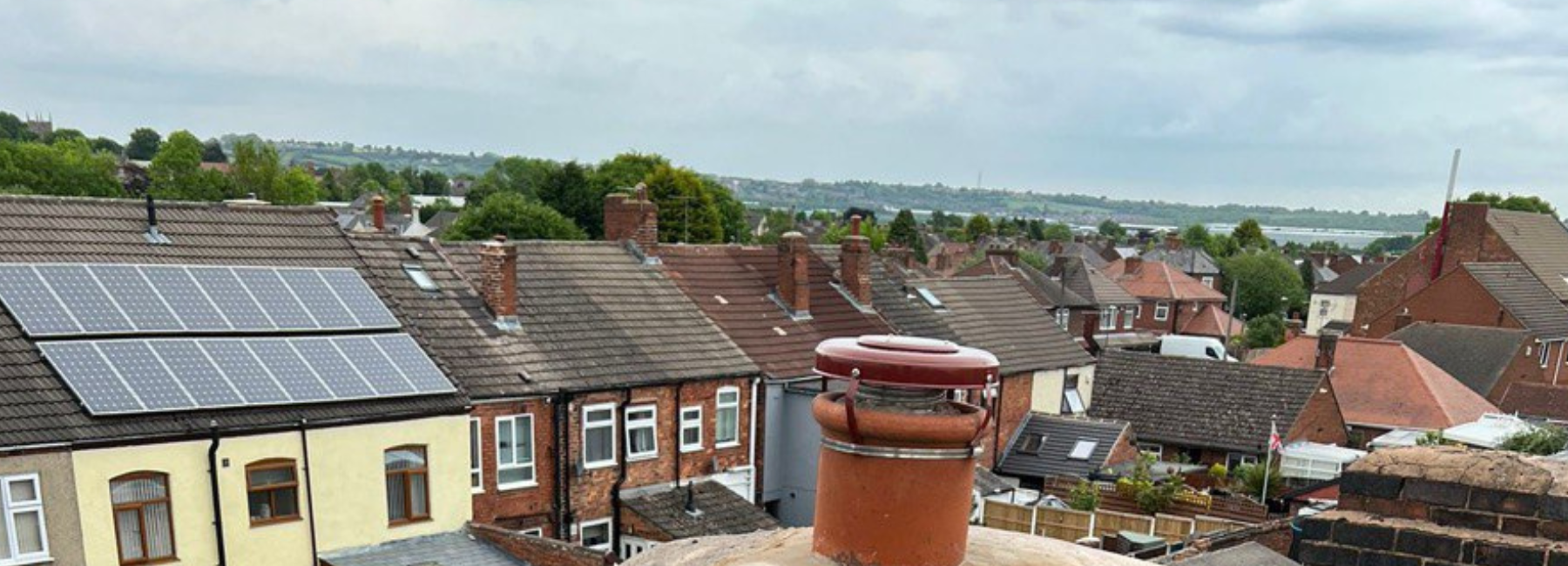
Heavy rain and strong winds can expose weaknesses in a roof that may not have been noticeable during normal weather. Missing tiles, damaged flashing, blocked gutters and leaks can all develop or become worse following severe conditions.
For property owners in Whiteley, Hampshire, checking the condition of the roof after heavy rain and wind is an important part of maintaining a weather-resistant property. Understanding the types of damage that can occur also makes it easier to recognise when professional roof repairs may be necessary.
What Roof Problems Can Heavy Rain and Wind Cause?
Severe weather can affect different parts of a roofing system, not just the main roof covering. The extent of damage will depend on the roof’s condition, materials and exposure.
Common problems include:
- Slipped, cracked or broken roof tiles
- Loose or missing ridge tiles
- Damaged flashing
- Leaking roof areas
- Blocked or damaged gutters
- Displaced roof coverings
- Damaged pointing around roof features
- Water entering through vulnerable joints
Some problems may be visible from ground level, while others only become apparent when water starts entering the property.
Which Roof Repairs May Be Required?
The correct repair depends on what has been damaged. A professional inspection can identify the source of the problem rather than simply treating the visible symptoms.
Replacing Broken or Missing Tiles
Strong winds can loosen or displace individual roof tiles. Cracked or missing tiles can leave areas underneath exposed to rainfall.
Replacing damaged tiles and securing affected areas can help restore the protective roof covering. Surrounding tiles should also be checked to make sure there are no additional loose components.
Repairing Damaged Flashing
Flashing is installed around areas where the roof meets features such as chimneys, walls and roof junctions. If flashing becomes loose, cracked or lifted, rainwater may be able to enter through the affected section.
Depending on its condition, flashing may need to be repaired, resealed or replaced.
Repairing Ridge Tiles and Pointing
Ridge tiles are particularly exposed to wind because they sit along the highest part of the roof. Severe weather can loosen them or damage the mortar securing them.
Damaged or deteriorated pointing may also allow water to reach vulnerable areas. Repairs can help restore the stability and weather resistance of the ridge.
Could Heavy Rain Cause a Roof Leak?
Yes. Heavy rainfall can reveal existing weaknesses in a roof or worsen damage caused by wind. Water may enter through broken tiles, failed joints, damaged flashing or other openings.
Signs of a possible roof leak include damp patches on ceilings, water marks, peeling paint or a musty smell in upper rooms.
A leak should not be ignored simply because it stops once the rain ends. Water can remain within roofing materials or surrounding structures and may cause further deterioration over time.
What About Gutters and Downpipes?
Heavy rain can place significant demand on the roof drainage system. At the same time, wind can blow leaves, branches and other debris into gutters.
Blocked or damaged gutters may overflow and allow water to run against roof edges or external walls. Gutters and downpipes should therefore be checked alongside the roof itself after severe weather.
Clearing blockages and repairing damaged sections can help restore proper rainwater drainage.
Should You Inspect the Roof Yourself?
A visual check from ground level can help identify obvious problems, such as missing tiles or damaged guttering. However, climbing onto a roof after heavy rain or strong winds can be dangerous, particularly if surfaces or roofing materials are unstable.
If you notice signs of damage, professional inspection is the safer approach. A roofing specialist can assess areas that are difficult to see from the ground and identify repairs that may be required.
Why Deal With Storm Damage Promptly?
Even a relatively small roofing defect can allow repeated exposure to rain and wind. A damaged tile, loose flashing section or blocked drainage point can become a larger problem if it is left unattended.
Prompt attention allows the affected area to be assessed and repaired before further deterioration occurs. It can also help identify other weather-related damage that may not yet be causing visible problems.
How Can Whiteley Roofing Repairs Help?
Whiteley Roofing Repairs provides professional roof repair services in Whiteley, Hampshire. We can inspect roofs following heavy rain and wind to identify problems affecting tiles, ridge components, flashing, pointing and drainage.
Once the cause of the problem has been identified, suitable repairs can be carried out to restore the affected areas and help maintain the roof’s ability to protect the property from the weather.
If your roof in Whiteley has developed signs of damage after heavy rain or wind, contact Whiteley Roofing Repairs to arrange a professional inspection.
Conclusion
Heavy rain and strong winds can cause or worsen a variety of roofing problems, including damaged tiles, loose ridge components, defective flashing, leaks and blocked gutters. Some issues are obvious, while others may only become apparent through signs of water ingress inside the property.
Having suspected damage professionally assessed can help identify the correct repair and prevent further deterioration. For properties in Whiteley, Hampshire, Whiteley Roofing Repairs can inspect weather-related roof damage and carry out appropriate repairs where required.
Call us on: 01489 359 982
Click here to find out more about Whiteley Roofing Repairs
Click here to complete our contact form and see how we can help with your roofing needs.