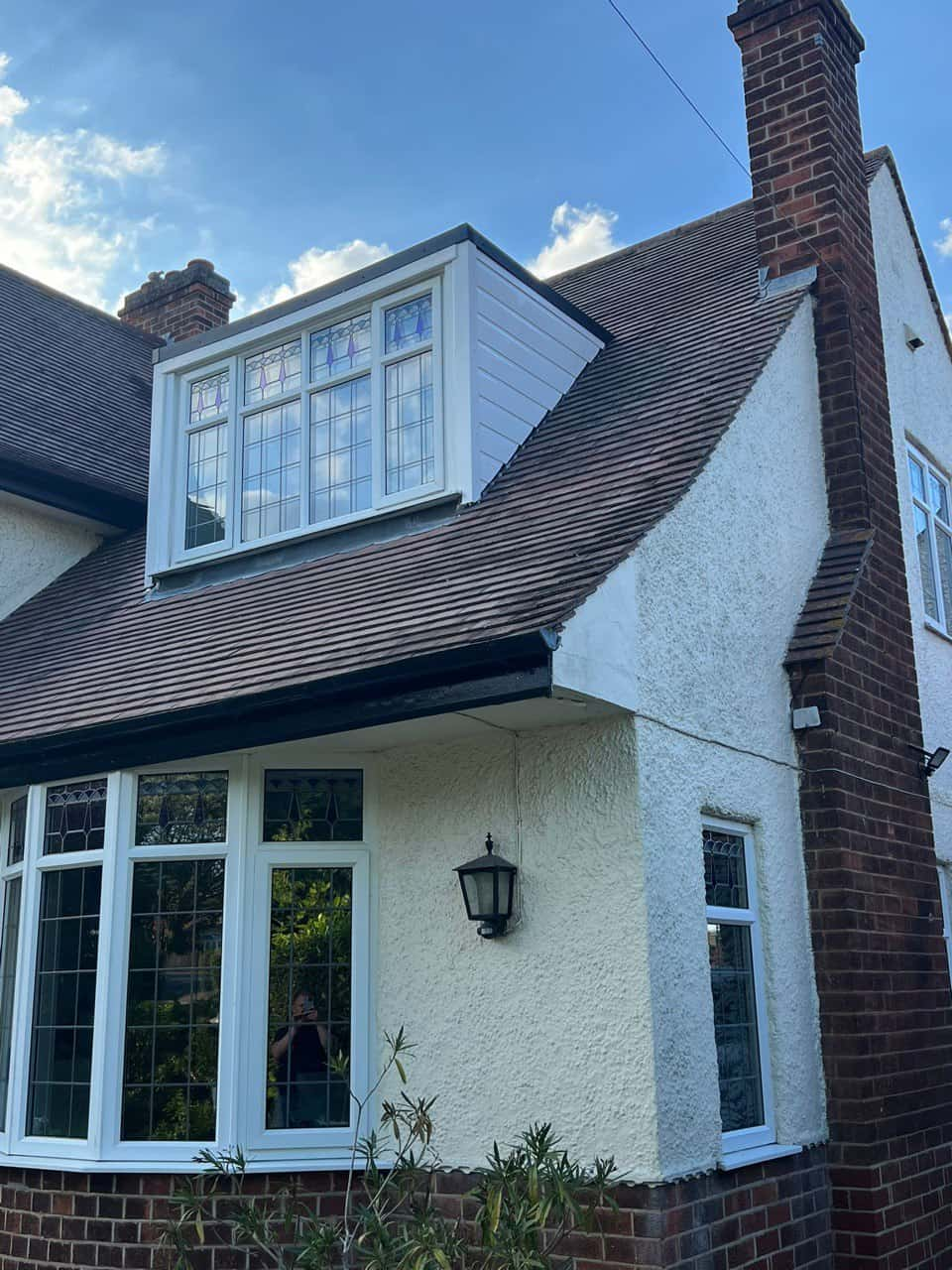
Roof tiles and slates provide an essential layer of protection against rain, wind and changing weather conditions. When they become loose, slip out of position or fall away completely, your roof may no longer be able to keep water out effectively. Even a small area of damage can expose vulnerable sections of the roof and allow problems to develop inside your home.
For homeowners in Whiteley, Hampshire, recognising the signs of slipped tiles and missing slates can help prevent minor roofing defects from becoming more serious. Whiteley Roofing Repairs provides professional roof inspections and repair services to identify damaged areas and restore the roof’s protective function.
What Causes Roof Tiles to Slip or Slates to Go Missing?
Roof coverings can deteriorate gradually or become damaged suddenly. Understanding the common causes can help you recognise when your roof may need professional attention.
Strong Winds and Severe Weather
Strong gusts can lift loose tiles, dislodge ridge tiles or cause slates to shift from their original positions. Repeated exposure to severe weather can also weaken fixings and make an already vulnerable roof more susceptible to damage.
After particularly windy conditions, look for roofing debris on the ground or visible gaps in the roof covering. However, not all damage is obvious from ground level, so a professional inspection may be needed if you suspect a problem.
Ageing or Deteriorating Fixings
Roof tiles and slates rely on suitable fixings and a stable supporting structure to remain securely in place. Over time, nails, clips, battens and other components can deteriorate, depending on the materials used and the roof’s exposure to the elements.
When fixings fail, individual tiles or slates may loosen and move out of position. Replacing the displaced covering without addressing the underlying cause may allow the same problem to return.
Damaged or Broken Roofing Materials
Tiles can crack following an impact, while slates may split or break as they age or become damaged. Once a roofing material loses its integrity, it may no longer provide a reliable barrier against rainwater.
Broken pieces can also leave neighbouring sections more exposed. Identifying the extent of the damage helps determine whether individual replacements or more extensive repairs are needed.
How Slipped Tiles and Missing Slates Can Affect Your Home
A roof does not need to have extensive visible damage to develop a leak. The consequences often depend on where the covering has failed and how long the area remains exposed.
Water Ingress and Internal Leaks
Missing slates and slipped tiles can create openings through which rainwater enters the roof structure. Water may travel along the underlay or timber before appearing as a damp patch on an upstairs ceiling.
You might notice brown staining, peeling paint, damp plaster or water marks in the loft. These symptoms should not be ignored, as the visible mark may be some distance from the original point of entry.
Professional roof leak repairs can help locate the source of the problem and restore the affected section of the roof.
Damage to Roof Timbers and Insulation
If water repeatedly enters through a damaged roof covering, it can affect timber supports and reduce the effectiveness of insulation. Prolonged dampness may contribute to timber deterioration and create conditions in which mould can develop.
Early repairs help limit the time that water can enter the roof space and reduce the risk of additional damage to internal materials.
Increased Risk of Further Roofing Damage
A slipped tile or missing slate can leave adjacent components more exposed to wind-driven rain. If the original issue involves failing fixings or deteriorating battens, other parts of the roof may also be vulnerable.
This is why it is important to investigate the cause rather than simply replacing the visible missing material. A thorough assessment can identify related defects and help prevent repeat problems.
Loose Materials Falling from the Roof
A tile or slate that has shifted may not remain securely attached. Further wind or movement can cause it to fall, potentially damaging property below or creating a hazard for people nearby.
If you notice loose roofing materials, keep clear of the area beneath them and arrange a professional assessment. Do not climb onto the roof or attempt repairs from a ladder.
Signs Your Roof Needs Professional Attention
Some roofing problems can be difficult to spot without specialist knowledge, but several warning signs suggest that an inspection is worthwhile.
Look out for:
- Visible gaps or uneven sections in the roof covering.
- Cracked, broken or displaced tiles and slates.
- Roofing fragments around the garden or near the property.
- Damp patches or unexplained staining on ceilings.
- Water marks or damp insulation in an accessible loft space.
- Repeated leaks, particularly after heavy rain.
If you notice one or more of these signs, arranging an inspection promptly can help establish whether repairs are needed and how extensive the work may be.
How Professional Roof Repairs Address the Problem
The correct repair depends on the condition of the roof and the cause of the damage. In some cases, a roofer may be able to reposition a slipped tile or replace a small number of broken slates. Where fixings, battens or surrounding materials have deteriorated, additional work may be necessary.
A professional inspection assesses the affected area and checks whether neighbouring tiles or slates are secure. The roofer can then recommend suitable repairs to restore the roof covering and help prevent further water ingress.
For properties in Whiteley, Hampshire, dealing with roofing defects early can help maintain the condition of the roof and protect the rooms and materials beneath it.
Can Regular Roof Maintenance Help Prevent Damage?
Routine roof checks can help identify loose tiles, deteriorating fixings and minor defects before they lead to more disruptive problems. Gutters and other roofline components should also be kept in suitable condition so that rainwater can drain away effectively.
After severe weather, look for visible signs of damage from a safe position on the ground. If you are concerned about the condition of your roof, professional advice is preferable to attempting a close inspection yourself.
Conclusion
Slipped tiles and missing slates can allow water into your home, damage insulation and roof timbers, and leave surrounding roofing materials vulnerable to further deterioration. Recognising the warning signs and arranging suitable repairs can help protect your property and maintain the roof’s performance.
Whiteley Roofing Repairs provides professional roofing support for homeowners in Whiteley, Hampshire. If you have noticed displaced tiles, missing slates or signs of a leak, get in touch to discuss the issue and arrange a roof assessment.
Call us on: 01489 359 982
Click here to find out more about Whiteley Roofing Repairs
Click here to complete our contact form and see how we can help with your roofing needs.