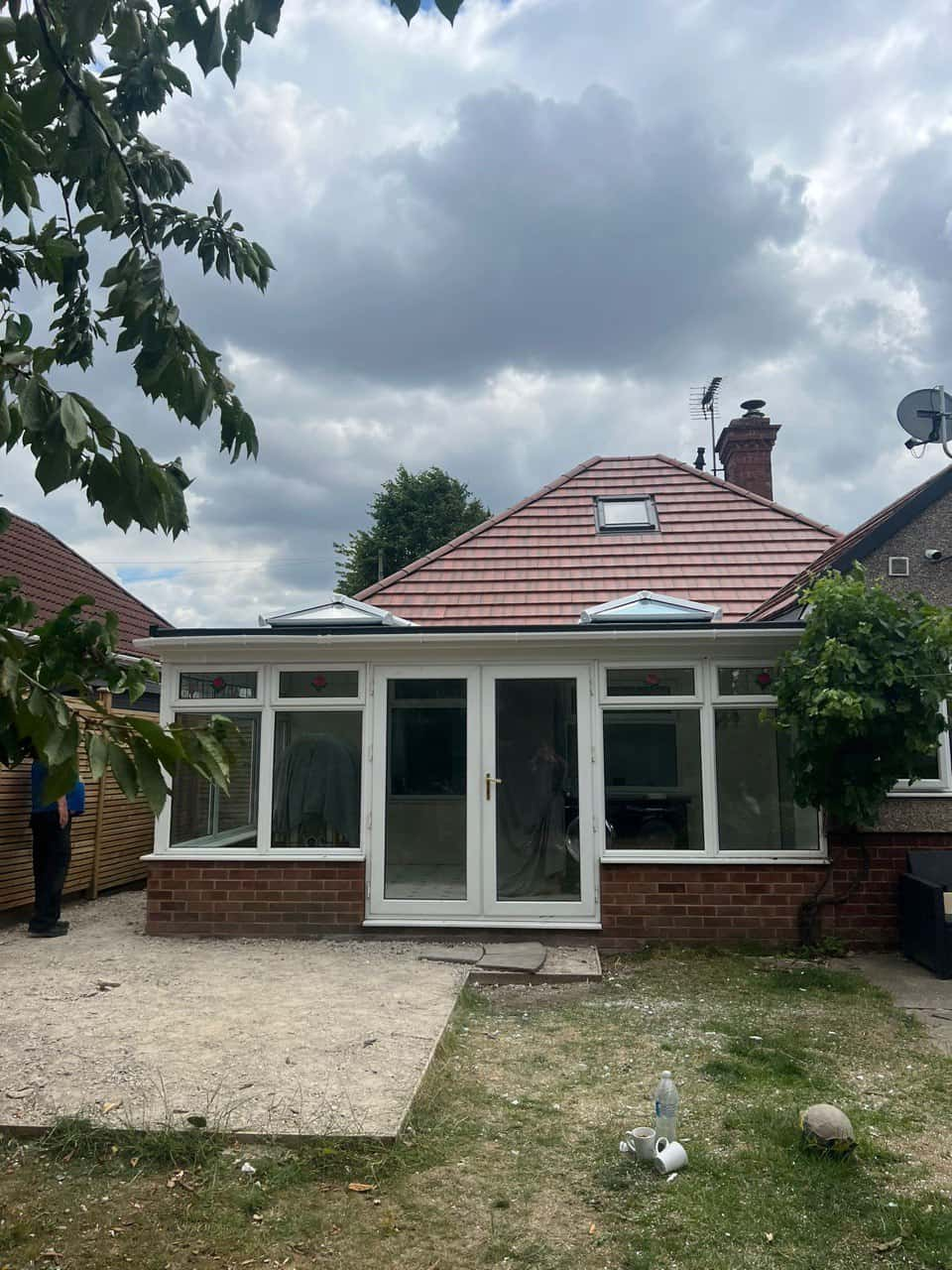
Chimney stacks are exposed to changing weather conditions throughout the year, making them particularly vulnerable to water penetration. Rain can enter through damaged mortar joints, deteriorating flashing, cracked masonry or defects around the chimney pot. If these problems are not identified early, moisture can spread into the roof space and affect ceilings, walls and internal finishes.
For homeowners in Whiteley, Hampshire, recognising the early signs of water damage around a chimney stack can help prevent more extensive roofing problems. Regular checks and timely professional repairs are important for keeping this vulnerable part of the roof weatherproof.
Why Chimney Stacks Are Vulnerable to Water Damage
A chimney stack extends above the main roofline, leaving it directly exposed to wind, rain and temperature changes. Unlike many other sections of the roof, it has several joints and junctions where water can potentially enter.
The connection between the chimney and roof covering is particularly important. Lead flashing is commonly used to create a weatherproof seal around this junction, while mortar joints help protect the brickwork itself.
Over time, weather exposure can cause these materials to deteriorate. Small gaps may develop, allowing rainwater to penetrate the masonry or pass beneath the flashing. Identifying these defects early helps reduce the risk of moisture spreading into the property.
Damp Patches on Ceilings and Upper Walls
One of the most noticeable signs of chimney-related water damage is a damp patch appearing on an upstairs ceiling or wall close to the chimney.
These patches may initially appear as faint discolouration before becoming darker or spreading after periods of heavy rainfall. In some cases, the affected plaster may begin to soften, bubble or peel.
Water entering around the chimney does not always travel directly downwards. It can move along roof timbers and other materials before becoming visible indoors, meaning the location of a damp patch may not correspond with the exact point of entry.
If staining repeatedly appears near a chimney breast or upper wall, the surrounding roof junction should be professionally inspected.
Crumbling or Deteriorating Chimney Mortar
Mortar joints between chimney bricks gradually experience wear from exposure to moisture and changing weather conditions. As the mortar deteriorates, gaps and small cracks can develop, creating potential entry points for rainwater.
Look for:
- Missing or loose mortar between bricks.
- Crumbling joints around the chimney stack.
- Visible cracks in the masonry.
- Sections where the mortar appears recessed or washed away.
Damaged pointing can allow moisture to penetrate deeper into the chimney structure. Professional repointing may be appropriate where the deterioration is limited to the mortar joints, helping restore protection and maintain the condition of the brickwork.
Damaged or Loose Lead Flashing
Lead flashing provides an important weatherproof connection between the chimney stack and the surrounding roof covering. It is designed to direct rainwater away from this vulnerable junction.
If the flashing becomes loose, cracked, lifted or poorly sealed, water can enter beneath the roofing materials.
Signs of potential flashing problems include visible gaps around the chimney base, lifted sections of lead and staining on nearby roof timbers or internal surfaces.
Because flashing is positioned at height and may be difficult to inspect safely, it is best to have any suspected damage assessed by an experienced roofer.
Damp or Musty Smells in the Loft
Not all chimney leaks produce immediately visible stains. Sometimes, the first indication is a persistent damp or musty smell in the loft.
Moisture entering around the chimney can affect nearby timber, insulation and other materials. If ventilation is limited, damp conditions may remain unnoticed for some time.
Where it is safe to access the loft, look for signs of moisture around the chimney breast, roof timbers and adjoining surfaces. Do not touch electrical equipment or enter areas where the structure appears damaged.
A professional inspection can help establish whether the moisture is coming from the chimney, another part of the roof or an unrelated source.
Damaged Brickwork and White Deposits
Water passing through masonry can sometimes leave white, powdery deposits on the surface of bricks. This is known as efflorescence and occurs when moisture carries soluble salts through the masonry before evaporating.
Although these deposits do not automatically indicate serious structural damage, they can be a useful warning that moisture is moving through the brickwork.
Other signs to watch for include flaking brick surfaces, deteriorating mortar and visible cracks. These symptoms should be assessed together to determine the extent and likely source of the water penetration.
Why Prompt Chimney Repairs Matter
Leaving chimney leaks untreated can allow moisture to affect a wider area of the roof and property. Persistent dampness may damage plaster, stain ceilings, affect insulation and contribute to the deterioration of surrounding timber.
The appropriate repair will depend on the cause of the problem. Work may involve replacing or repairing lead flashing, repointing damaged mortar joints, addressing cracked masonry or repairing nearby roof coverings.
For properties in Whiteley, Hampshire, professional roofing repairs can help identify the source of water ingress and restore the chimney’s protection against rainfall.
How Regular Roof Inspections Help Prevent Leaks
Chimney-related defects are often easier to address when identified before water begins entering the property. Periodic roof inspections can highlight deteriorating mortar, loose flashing and other signs of wear.
It is particularly useful to check vulnerable roof junctions following periods of severe weather or when signs of damp appear indoors. Homeowners should avoid climbing onto roofs themselves and arrange for a qualified roofing specialist to carry out inspections safely.
Conclusion
Water damage around a chimney stack can begin with small defects in the mortar, masonry or lead flashing. Damp patches, musty loft smells, crumbling joints and white deposits on brickwork can all indicate that moisture is entering the structure.
If you notice any of these warning signs at your property in Whiteley, Hampshire, Whiteley Roofing Repairs can help investigate the problem and carry out suitable roofing repairs. Contact the team to discuss your concerns and arrange a professional assessment before the damage becomes more extensive.
Call us on: 01489 359 982
Click here to find out more about Whiteley Roofing Repairs
Click here to complete our contact form and see how we can help with your roofing needs.